CUPPASA
Cuppasa redefined how coffee shops and remote workers interact, creating a marketplace that balanced hospitality with productivity.
- Shipped two hybrid apps from zero to MVP in under six months — including design, development coordination, and rollout.
- Selected for the AWS 28th Floor accelerator program, receiving mentorship and support during early product validation and MVP development.
- Secured four coffee shop partners and launched a live pilot in Hoboken, NJ.
- Generated 130+ app downloads within the first two weeks with zero marketing budget.
- Built and led a small team working purely for equity, enabling fast execution with minimal resources.
- Closed a warm investor pipeline and received a seed investment offer (declined due to timing and readiness).
DETAILS
| Years: | 2019-2020 |
| My title: | Founder & CEO |
| Responsibilities: | Everything required to build and launch a company: product vision, strategy, market validation, user research, UX/UI, visual design, branding, front-end development, investor relationships, and partner acquisition. |
THE CHALLENGE
IMPROVING A DIFFICULT RELATIONSHIP
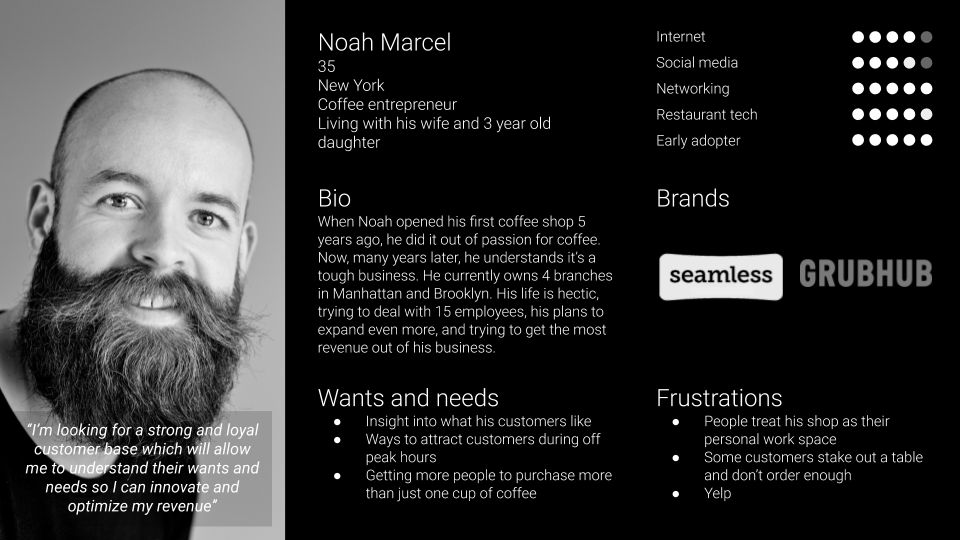
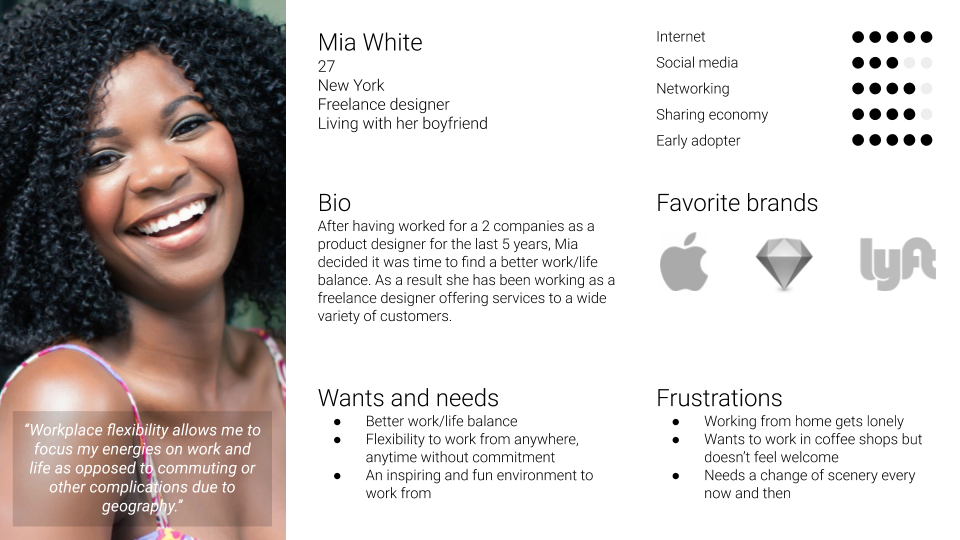
The relationship between coffee shops and laptop-based remote workers has always been tense. Coffee shops rely on high turnover, while remote workers often occupy space for hours with minimal spending. On the other hand, millions of remote professionals struggle to find welcoming, reliable places to work.
Before the pandemic, 38 million people in the US worked from home daily, with close to 3 million using coffee shops as their primary workspace. Another 26 million used them as their secondary work location. Despite the scale, the market had no structured solution.
Cuppasa aimed to bridge this gap by giving both sides what they need without forcing either group to compromise.
RESEARCH
UNDERSTANDING THE MARKET
Since we were designing for two distinct audiences, I focused heavily on early validation. I combined online research with qualitative interviews across both segments, coffee shop owners and remote professionals, to understand their needs, constraints, and motivations.
To validate the problem at its source, my cofounder and I traveled to New York before building anything, meeting coffee shop owners door-to-door and running early discovery sessions. Those conversations shaped the core opportunity and business model.
“Three hours for five dollars’ worth of coffee is not a model that works”
APPROACH
CREATING A WIN-WIN SITUATION
The strategy centered around designing a system where both sides naturally benefit:
For coffee shops:
- Optimize their seating and increase revenue
- Control when and where laptop workers occupy space
- Maintain their brand and atmosphere without friction
For remote workers:
- Easily find the right place to work based on needs and mood
- Reduce the daily uncertainty of “will I be welcome here?”
- Feel connected during an increasingly isolating work culture
This meant balancing economics, space management, behavioral psychology, and UX - essentially designing a two-sided marketplace that actually works in the physical world.
BUSINESS DEVELOPMENT
TURNING A HYPOTHESIS INTO A REAL OPPORTUNITY
As a founder, I balanced product discovery with business development, team building, and early investor conversations.
During the concept phase:
- I built and sustained relationships with potential investors, eventually receiving a seed offer (which I declined because it was too early).
- I recruited additional team members who joined for equity only.
- I established strong contacts in the coffee shop industry.
- In New York, I also pushed business development beyond product work, cold-calling small chains, meeting owners in person, and speaking with investors. One high-profile investor introduced us to key industry players, accelerating early traction.
BRANDING
WELCOMING AND NON INTRUSIVE
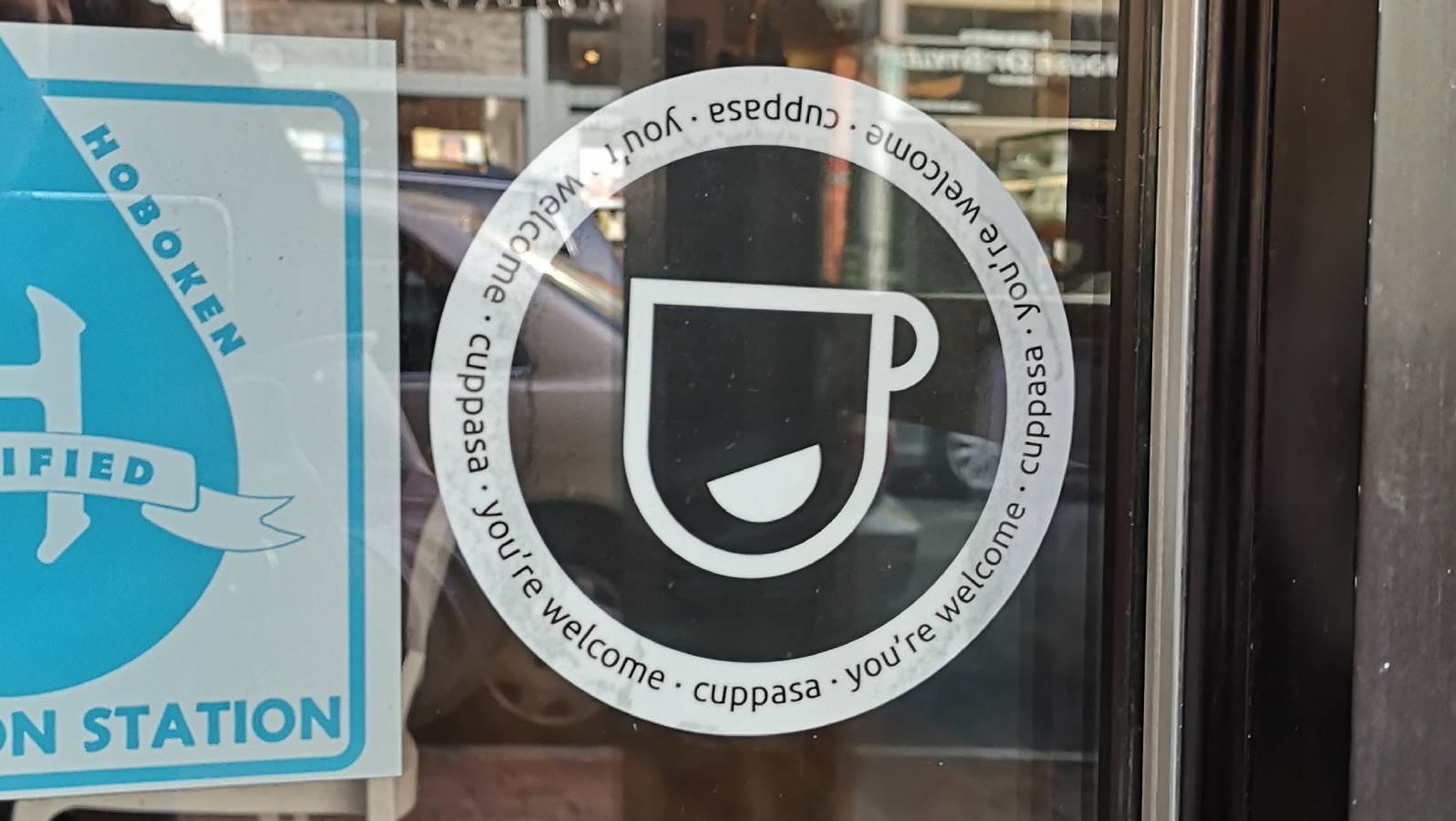
The brand needed to reassure remote workers while respecting the identity of coffee shops. To avoid overpowering our partners’ interior aesthetic and branding, I created a minimal black-and-white system that blended into any environment and signaled trust and professionalism.


THE RESULT
A NEW MARKETPLACE
We designed, built, and launched two mobile apps and deployed our pilot in Hoboken, New Jersey. Originally planning for Brooklyn, I pivoted quickly when it became clear that breaking through without proof was too ambitious. We re-established relationships in Hoboken, signed four coffee shop partners, and launched the pilot.
Within two weeks, we saw over 130 downloads, validating early interest from both sides.
COVID-19 forced us to freeze operations, but we built a lightweight, remote-worker-focused version to sustain engagement. Multiple lockdowns made meaningful rollout impossible.
THE REMOTE WORKER APP
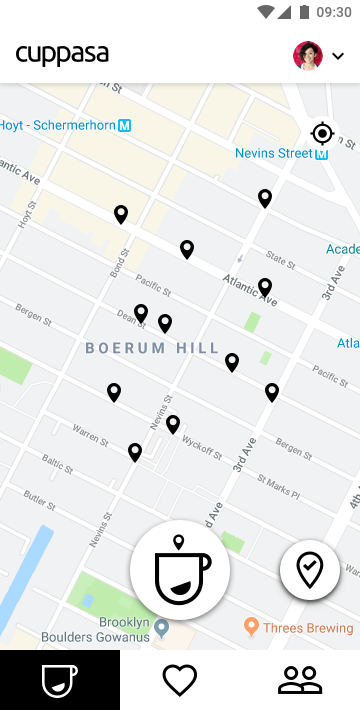
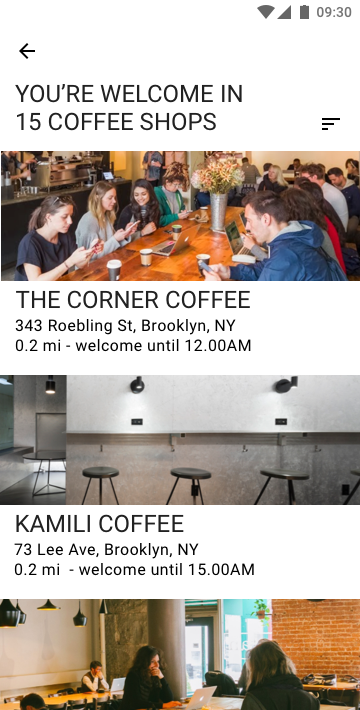
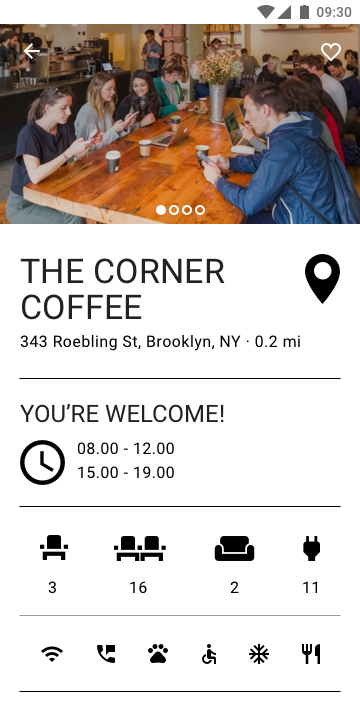
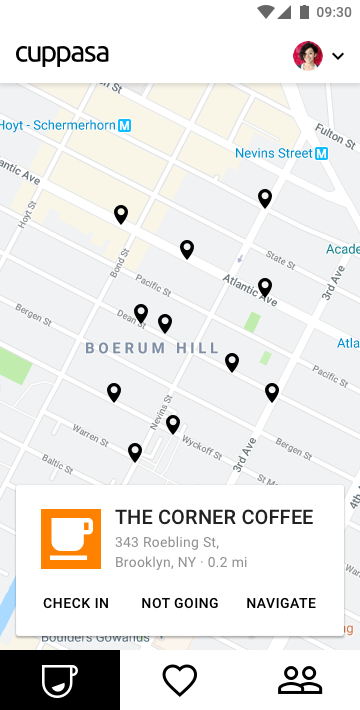
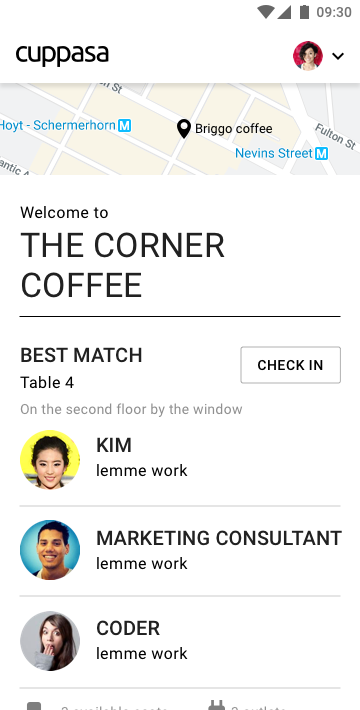
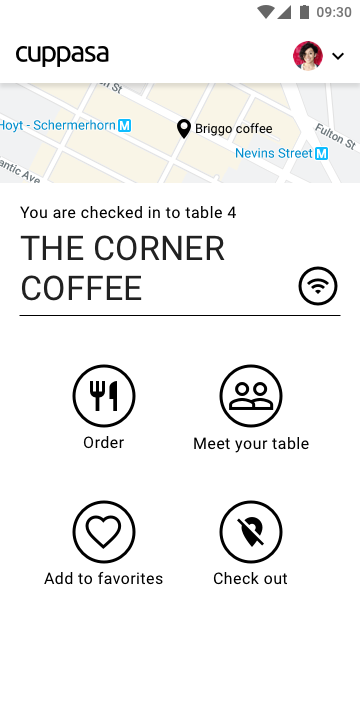
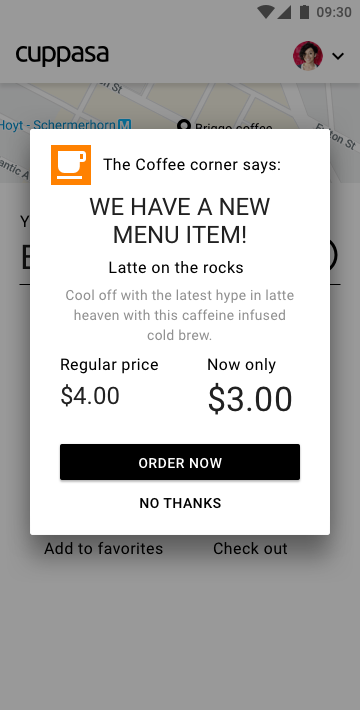
The app matched users to coffee shops based on location, mood, specific needs, and opportunities to meet other professionals. Users could check seat availability before leaving home, reducing friction and uncertainty.
THE COFFEE SHOP APP
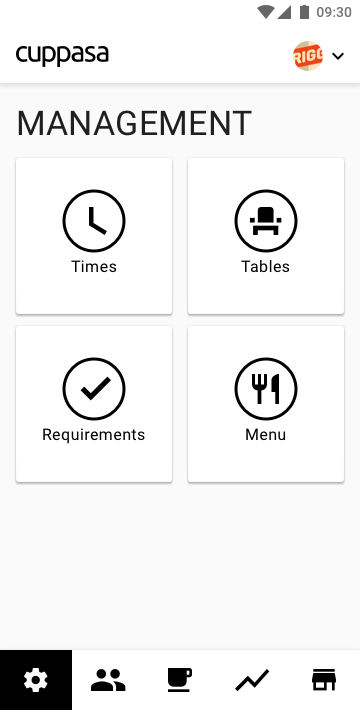
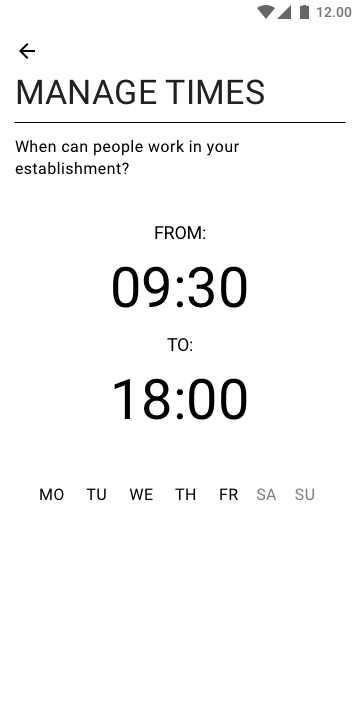
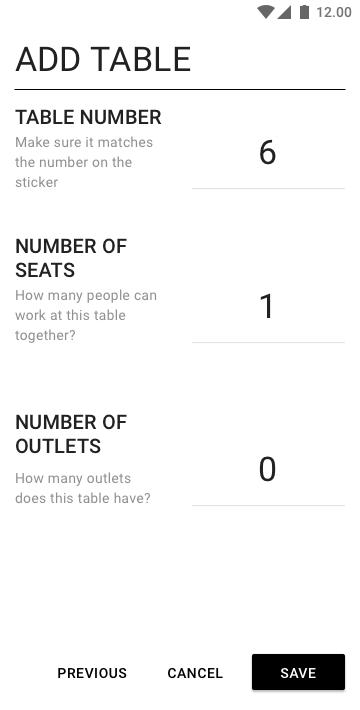
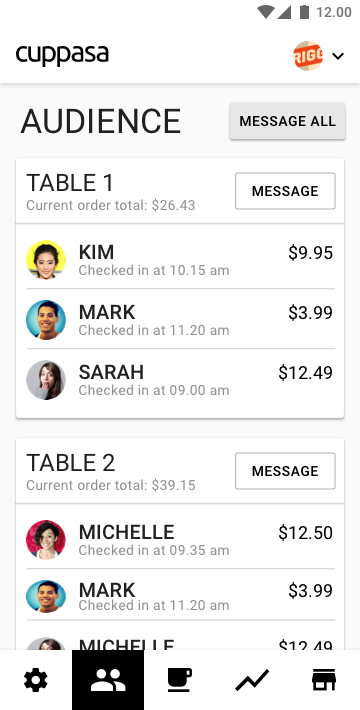
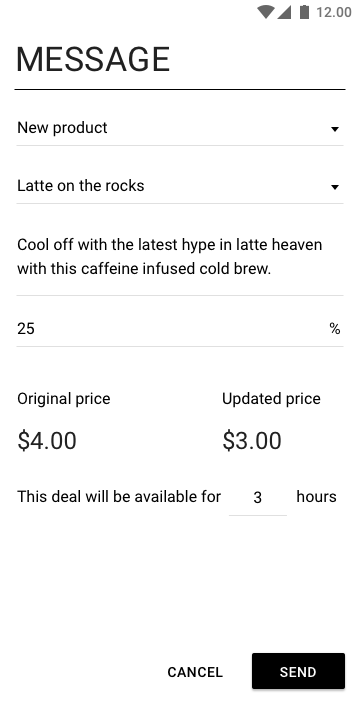
Coffee shops controlled when laptop workers were welcome, which tables were available, and what offers or menu items they wanted to promote. Analytics gave them insight into behavior patterns and demand.
REAL LIFE MEETS VIRTUAL
COMPLETING THE EXPERIENCE
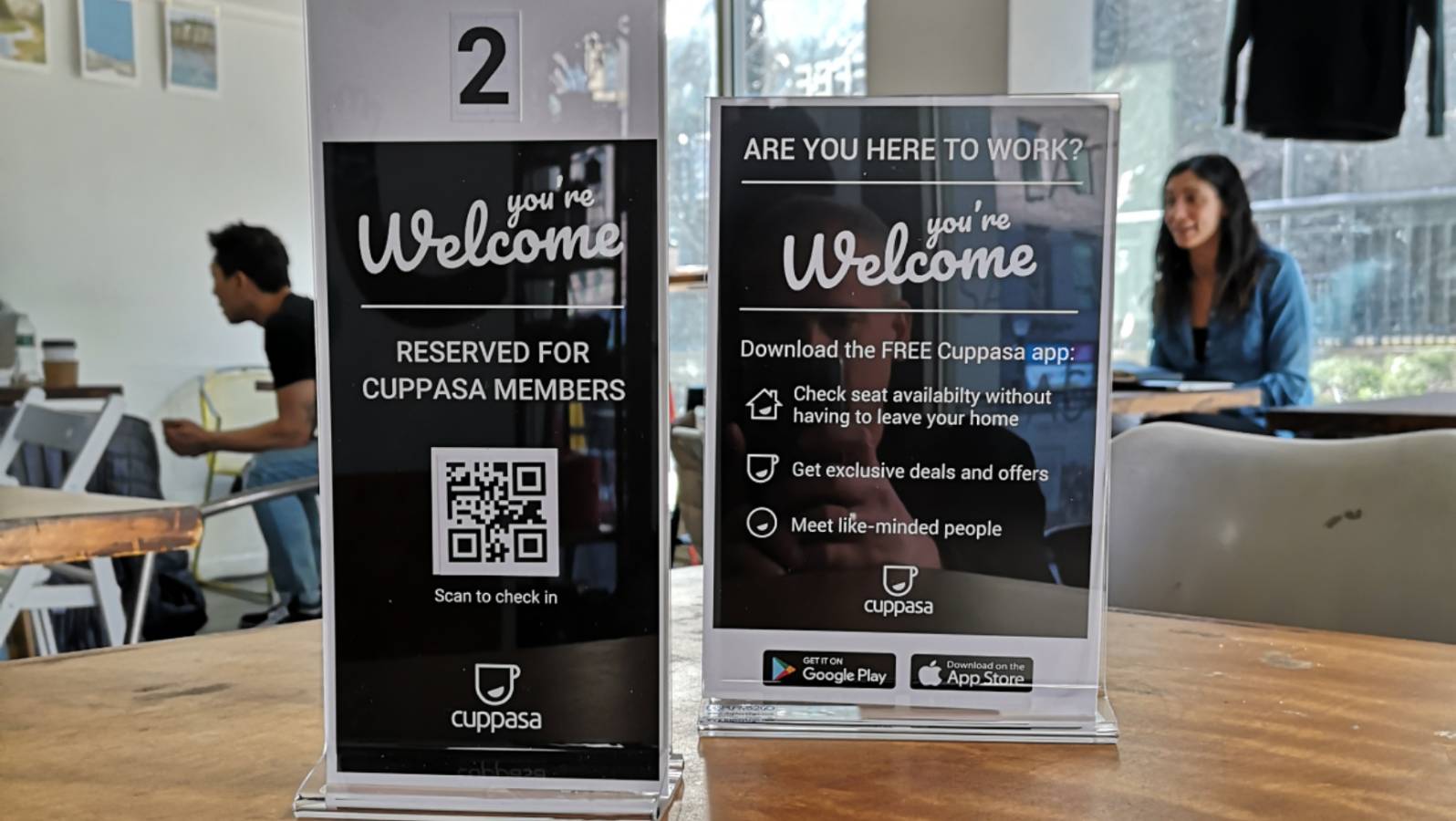
Because the product required interaction in real spaces, I designed physical elements - signage, branded table markers, onboarding materials - to complete the experience. These items connected the digital journey with the physical environment and reinforced trust for both users and partners.